
How can we investigate what's happening inside clouds?
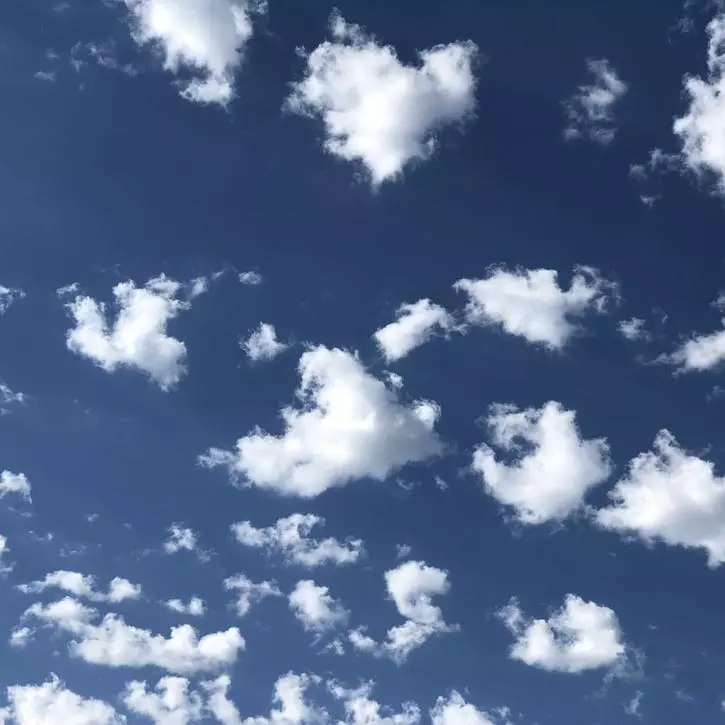
Stratocumulus cloud decks are vast cloudy areas that contribute to a great extent to cooling Earth's climate. Since cloud droplets form on aerosol particles in the air, the amount of sunlight stratocumulus clouds can reflect is hypothesized to be quite responsive to the concentration of aerosols. For this reason, this project will focus on observing how stratocumulus clouds form and develop in response to aerosols, using global high-resolution images captured by satellites flying hundreds to thousands of kilometers above the Earth.
However, there is a problem. In satellite imagery, clouds act as an opaque lid, and satellites cannot observe aerosols within or below clouds. How can you know what is cooking below if you cannot remove the lid? Instead, we have to rely on an alternative 'metric' or measurement, aerosol optical depth, which is measured only where there are no clouds. But the statistical relationships between this metric and cloud properties can be misleading as they vary greatly depending on environmental and weather conditions. This means that these so-called aerosol-cloud interactions remain an enigma, especially when keeping in mind that: "correlation does not imply causation" (one can't assume cause and effect just because two variables change in the same way). In this project, we will therefore use a statistical framework called causal inference to disentangle the relationships between the aerosol optical depth proxy and cloud properties. Furthermore, we will combine satellite data with climate model data to reduce the uncertainty associated with the relevant environmental and weather conditions and try to get new insights into what is happening below the "cloud lid".