
Can observations be combined to better understand aerosol-cloud relationships?
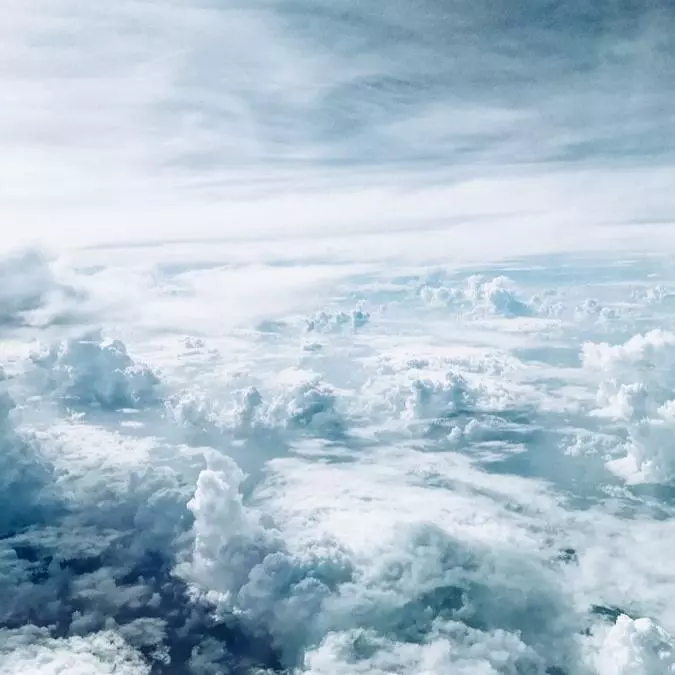
Obtaining meteorological measurements at ground level is most of the time feasible. Doing the same thing dozens of kilometres above our heads in the atmosphere is much more challenging.
Instead, we settle with indirect measurements such as data coming from satellites or meteorological stations. Unfortunately, the latter can only convey partial information about the actual state of the atmosphere. Yet millions of gigabytes of data are collected every day that way. Building on the abundance of data acquired through these indirect measurements, I want to combine the information they separately convey into richer and better-resolved measurements.
An overarching difficulty to the combination of atmospheric observations lies in the diversity of their formats and the fact that they are typically collected at different times and locations. To overcome this challenge, I draw from state-of-the-art machine learning algorithms and investigate methodologies to process data coming from heterogeneous sources.
Ultimately, my core motivation is to study the interactions between cloud and aerosols. The large-scale consequences on the climate of these interactions are still poorly understood and constitute, as of today, the largest source of uncertainty in assessments of anthropogenic climate change. Obtaining better measurements of the state of the atmosphere by fusing information from different sources could critically benefit our understanding of these interactions.